Troubleshooting works best in order: name the symptom precisely, match it to the likely cause, then apply the smallest fix that fits. Early polish chips follow patterns, and in Locust the pattern usually points back to prep, water, or one rough nail, not to bad luck. Work through the sequence below the way a technician at Truly Nails would, and you will know which fixes belong at home and which belong at the salon table.
Step-by-step: from symptom to cause
- Chips at the tips within two days. Likely cause: the free edge was never sealed, or nails are being used as tools. Fix: cap the edge with topcoat at application and refresh it every few days.
- Lifting at the base near the cuticle. Likely cause: polish or gel laid over the thin skin that grows onto the plate. Fix: proper cuticle pushing and plate cleaning before anything goes on; this is prep, not product.
- Whole polish peeling off in a sheet. Likely cause: oil or moisture on the plate, often lotion applied right before polishing, or a long soak that left nails waterlogged. Fix: polish on clean, dry nails and keep soaks short.
- Chips on one nail only, every time. Likely cause: that nail. A ridge, a peeling layer, or a small split makes its own failure point. Fix: inspect it bare under good light, keep it shorter, and let damage grow out.
- Gel lifting at the edges after a week. Likely cause: product cured onto skin at the edges, or heavy water and chemical exposure at work. Fix: salon application with clean margins, gloves for dishes and cleaning at home.
- Dents and smudges hours after polishing. Likely cause: coats too thick, so the surface dried over a soft layer. Fix: two or three thin coats, fully dried between each, beats one generous coat every time.
The prep facts underneath every symptom
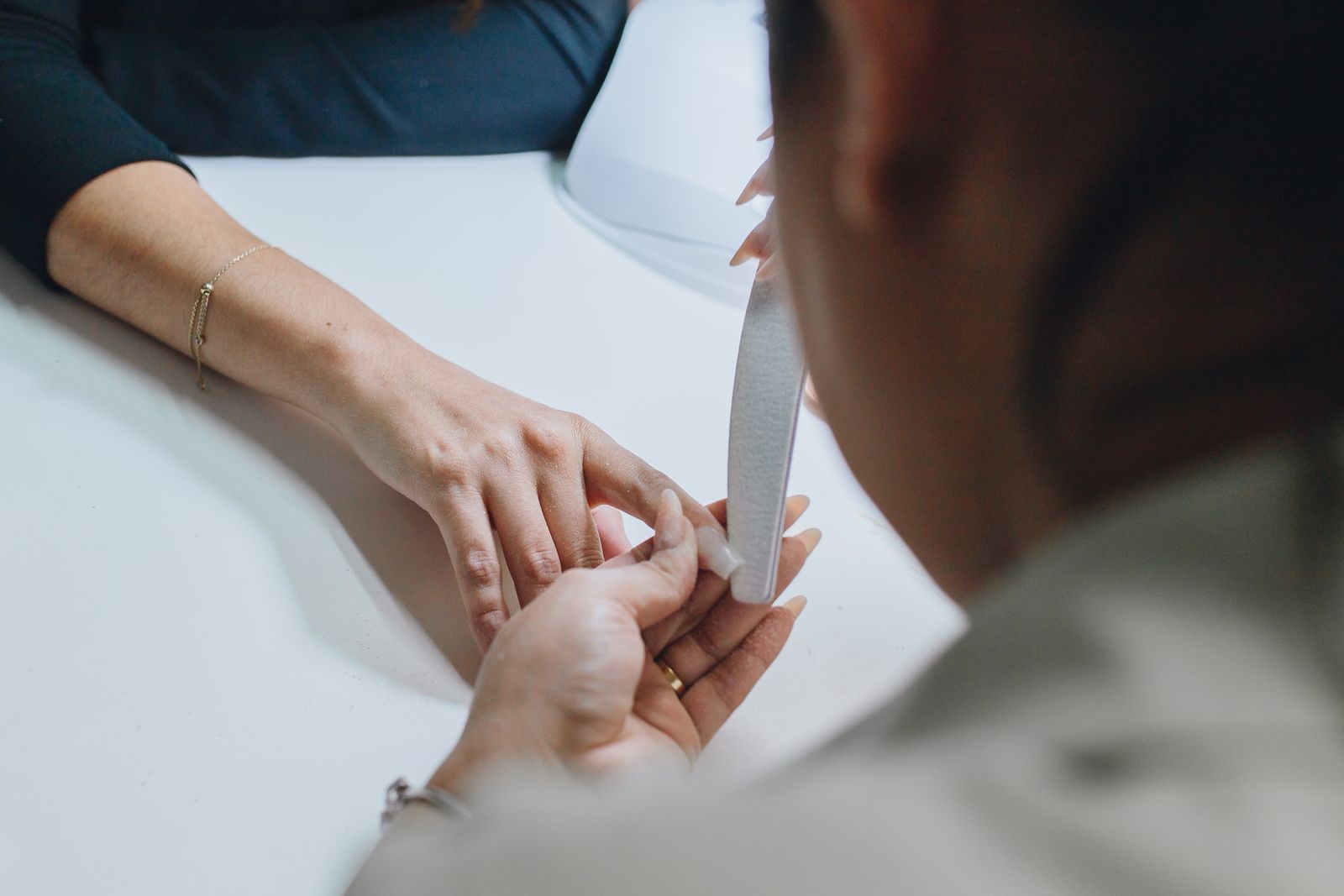
Polish bonds to a clean, dry, slightly textured keratin surface. Anything between polish and plate becomes the real surface, and skin, oil, and water all let go quickly. That is why salon prep at Truly Nails spends unglamorous minutes on cuticle work, a dehydrating wipe, and thin coats: each minute removes one cause from the list above before it can happen. Home polishers can copy most of it with clean tools, patience, and the discipline to apply lotion after polishing instead of before.
Keep notes like a technician
One round of troubleshooting is guesswork; two rounds are data. Note what was on the nails, how prep went, and when the first chip appeared, even roughly, in a phone note. Patterns emerge quickly: chips only after dish-heavy weekends point to gloves, chips only after a certain lotion point to timing, chips always on the dominant hand point to use, not product. Bring that note to your next appointment and the conversation skips straight past theory to the cause that fits your actual week in Locust.
When the fix is professional
Bring it in when the same failure repeats after you have fixed prep, when a nail is peeling in layers, when gel lifts on several nails at once, or when any nail shows discoloration, pain, or separation from the bed. Repeated lifting across a whole set suggests an application or product issue a technician should see in person. A single damaged nail may need a repair, an overlay, or simply a shorter plan while it grows out. Start the note at application, not at the chip. Write down the day, the product, and whether lotion, dishes, swimming, or a long shower came first in the following days. By the second manicure the page usually names the culprit on its own, and the fix becomes a small habit change rather than a new shelf of products. Either way, diagnosis beats another bottle, always. Most chip problems in Locust are solved by the checklist above, and the rest are solved faster at the table than at the bathroom mirror.
Common questions
Why does polish chip at the tips first?
The tip takes the knocks and the edge seal wears there first. Capping the edge with topcoat and refreshing it every few days fixes most tip chips.
Is expensive polish the answer to chipping?
Rarely. Prep, thin coats, and a sealed edge matter far more than brand. A mid-range polish on a well-prepped nail outlasts a premium one on an oily plate.
My gel lifted in the first week. Is that normal?
No. Early gel lifting usually traces to cuticle left on the plate or product cured onto skin. A salon should want to see it and correct the application.
Photos in this guide are representative stock images.
← All guides from Truly Nails← Back to Truly Nails