Use this checklist the way you would use a pre-flight list: in order, honestly, and before there is a problem. Ingrown toenails in Locust rarely arrive from nowhere. They build from a curved trim here, a tight shoe there, and a corner dug at because it looked untidy. At Truly Nails, pedicures follow the prevention side of this list. The bottom of it is where salon care stops and a podiatrist starts, and knowing which side of that line your toe is on saves weeks of limping.
The ingrown prevention checklist
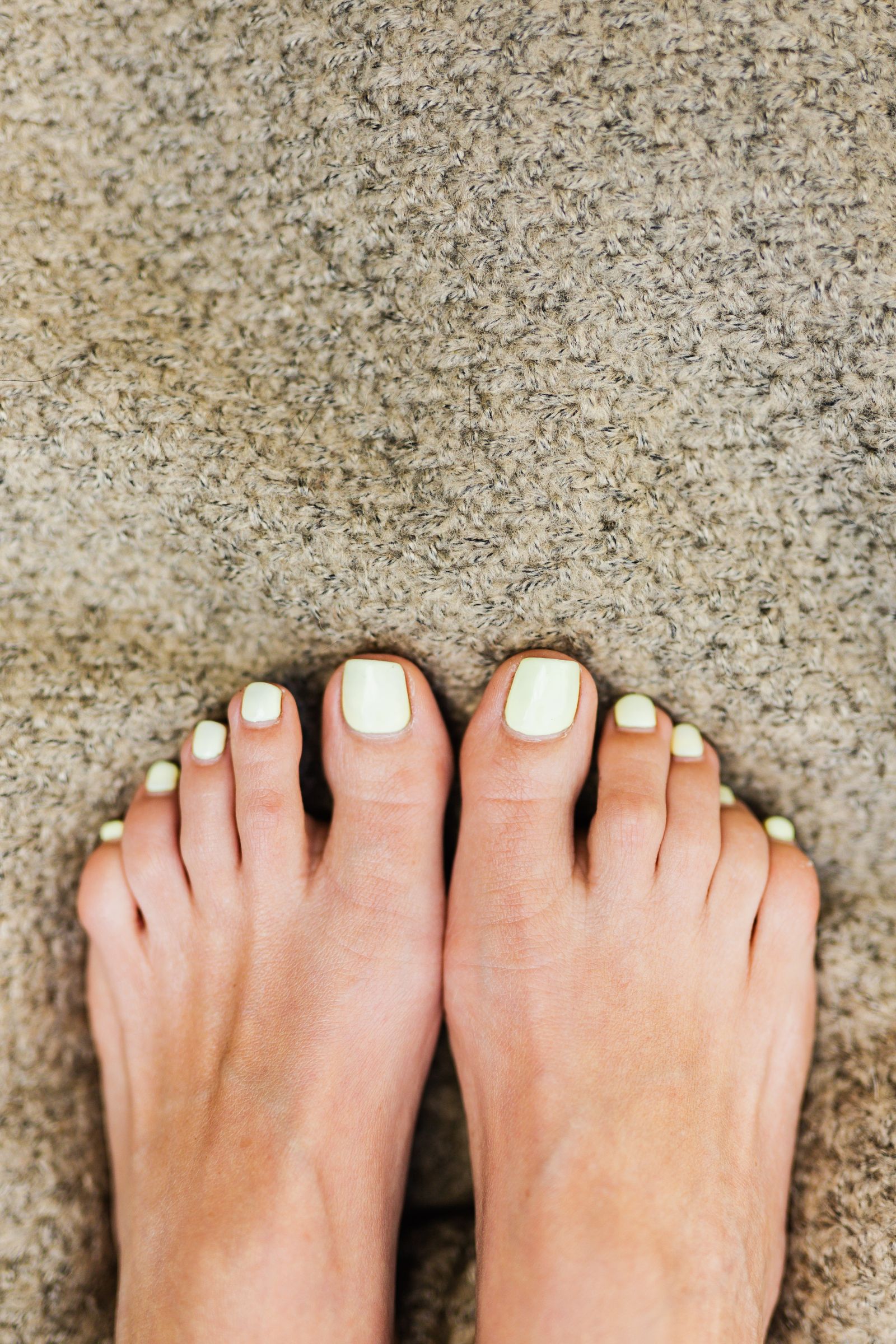
- Trim shape: pass or fail. Pass: cut straight across, corners visible and level with the tip of the toe. Fail: corners rounded down, cut at an angle, or nail shorter than the toe tip.
- Trim frequency. Pass: little trims every few weeks. Fail: long nails left for months, then one deep cut to catch up.
- Tools. Pass: clean clippers and a file for sharp points. Fail: pointed diggers, scissors down the side of the nail, or tearing a corner off.
- Shoe fit. Pass: room to wiggle toes, longest toe clear of the front when standing. Fail: a toe that is sore by end of day, every day, in the same shoe.
- Socks and moisture. Pass: dry socks changed after wet work, shoes dried between wears. Fail: damp boots worn daily through a humid Piedmont summer.
- Early soreness response. Pass: soak in warm water, keep the area clean, recheck shoes and trim. Fail: digging the corner out to relieve it, which restarts the cycle sharper.
- Skin check. Pass: skin beside the nail is normal color and not tender. Fail: redness, swelling, warmth, or drainage, which ends the checklist and starts a medical visit.
Why each line is on the list
The trim lines come first because shape decides direction. A nail cut straight grows straight. A corner cut back at an angle can guide new growth into the skin fold, and a spiked corner left behind acts like a splinter that your own body keeps pushing forward. Frequency matters because toenails grow slowly, roughly a millimeter or so a month, so small regular trims keep the edge where you want it without ever needing a drastic cut.
One home remedy deserves a clear word. Soaking a sore toe in warm water and easing a bit of cotton under the corner is an old suggestion that sometimes relieves pressure on a very early, mild case. It is not a treatment for anything red or swollen, and it should never involve cutting a notch, digging, or forcing the nail upward on a toe that is already angry. If two days of soaking and better shoes do not settle a mild ache, the checklist is done and the doctor's office is next.
Shoe fit and moisture are the pressure half of the problem. A narrow toe box squeezes the big toe sideways all day, and soft, damp skin gives way more easily than dry skin. That is why the same trim that is fine in sandals can turn sore in November boots, and why fall, when closed shoes return to Locust, is ingrown season's quiet opening.
The red-flag line
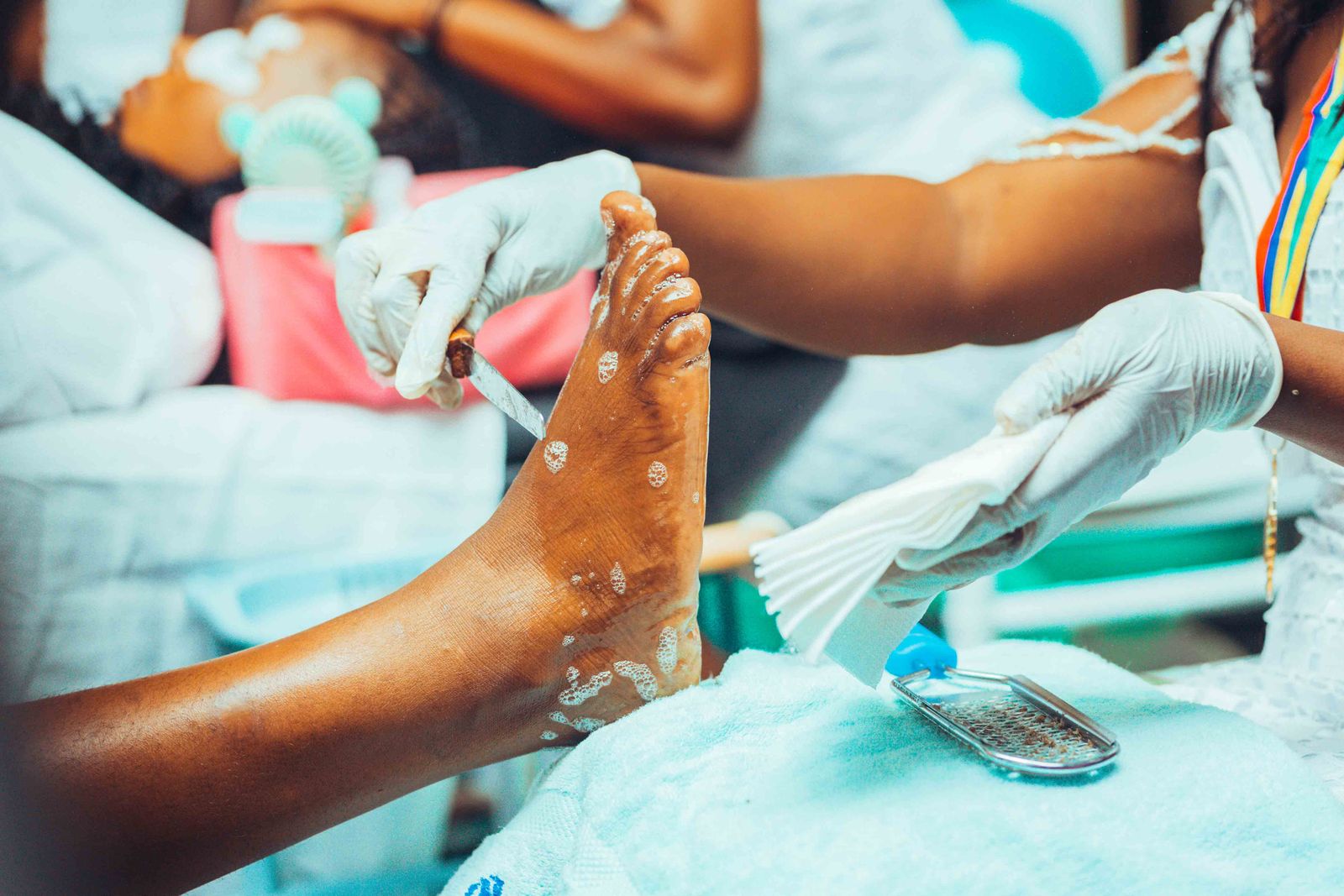
Stop the checklist and book a doctor if a toe is red and swollen, hot to the touch, draining, streaked, or painful enough to change how you walk. The same rule applies sooner, at the first soreness, for anyone with diabetes or poor circulation in the feet. A salon pedicure can soak, trim straight, and keep healthy nails comfortable. It cannot treat infection, and a technician who offers to dig out an inflamed corner is offering the one service you should decline. Prevention is a checklist. Treatment is a profession. Keep them separate and your feet will mostly take care of themselves. Run the list again at every season change, when shoes change with it, because that is when fit, moisture, and trimming habits all shift at once and small failures line up together. Two minutes with the list in September prevents the sore November toe better than any remedy sold for it afterward, every single time, without exception.
Common questions
What is the single most important prevention step?
Cut toenails straight across and leave the corners visible. That one habit prevents more ingrowns than any product or tool.
Can I dig out a sore corner at home?
No. Digging breaks skin, invites infection, and the corner grows back thicker and sharper. Soak, check your shoes, and see a doctor if soreness persists.
When is an ingrown a doctor's job?
When there is redness, swelling, warmth, drainage, or real pain, and immediately for anyone with diabetes or poor foot circulation.
Photos in this guide are representative stock images.
← All guides from Truly Nails← Back to Truly Nails