Nails do not breathe. That is the whole myth, sorted in four words, and yet the advice to give your nails a break keeps circulating in Locust and everywhere else, because a break often does help, just not for the reason people think. If you are new to regular gel, dip, or acrylic at Truly Nails, this walkthrough explains what a nail actually is, what a polish-free stretch fixes, and what it cannot fix.
What a nail is made of
A fingernail is a plate of keratin, the same family of protein as hair, built by living tissue under the cuticle called the matrix. The plate itself is not alive. It has no lungs, no pores for breathing, and no way to absorb oxygen from the air. The living parts of the nail unit get everything they need from the blood supply underneath. Covering the plate with polish, gel, or acrylic does not suffocate anything, any more than a hat suffocates hair. What products and removers can do is dry the plate out, and what bad removal can do is tear its layers. Those are mechanical and chemical problems, not breathing problems.
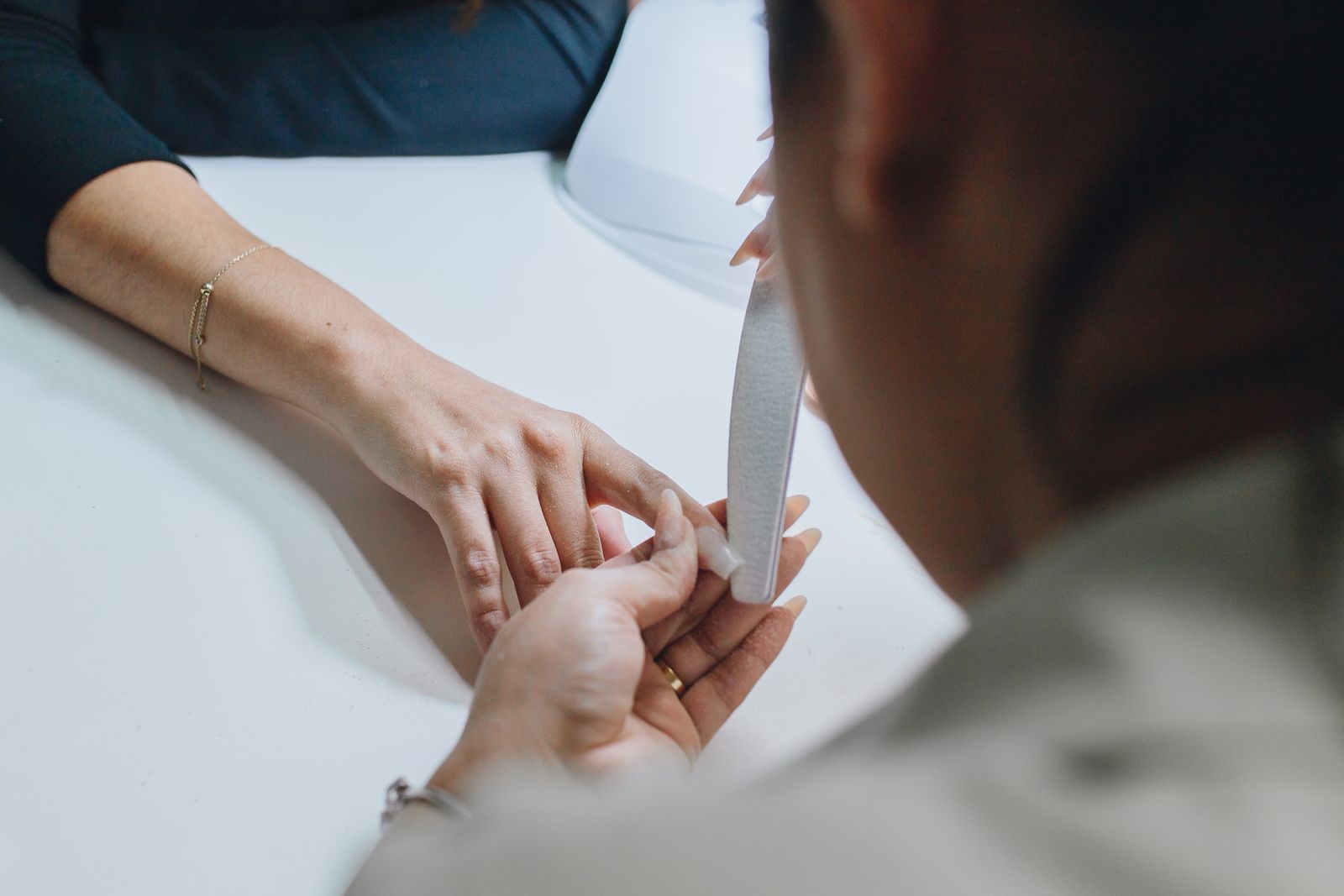
What a first break actually looks like, step by step
- Remove the set properly. Soak off gel or dip with acetone and patience. A break that starts with peeling has already missed its purpose.
- Assess honestly under good light. Look for white patches, rough or flaky areas, peeling layers at the tip, and any discoloration. Note which nails look worst; they usually match the ones that got picked at.
- Go shorter. File to a modest length so thin or damaged sections are not flexing at the free edge, where they split.
- Moisturize like you mean it. Cuticle oil and hand cream daily. The plate holds moisture from products and from the nail bed, and a dry plate is a brittle plate.
- Wear plain polish if you like. A simple clear or color coat during a break is fine and even protective. The break is from enhancements and harsh removal, not from all products.
- Set a calendar, not a feeling. Damage grows out at a few millimeters a month. Give a damaged plate several weeks to a few months, and judge by new growth at the base, not by hope.
What a break fixes, and what it does not
A break fixes dryness, because the cycle of acetone and filing pauses. It lets you inspect the bare plate, which is the only way to spot thickening, discoloration, or lifting early. It lets damaged length grow out and get filed away. It does not repair a torn plate in place, because the plate cannot heal; only the matrix makes new nail. It does not strengthen nails permanently, and nails that were thin before enhancements will be thin after a break too. Genetics sets the baseline.
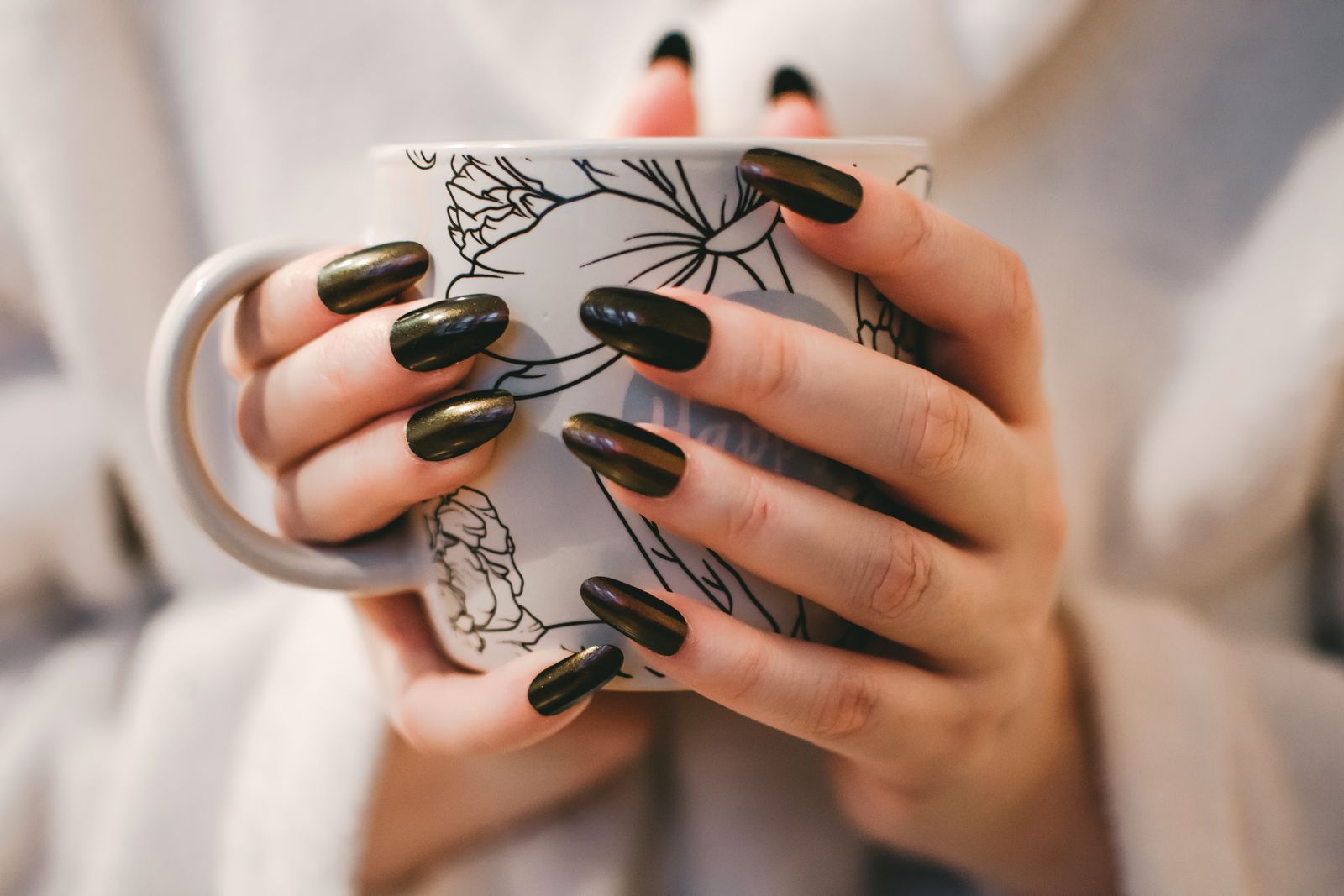
One more distinction matters. Nails that feel weak right after removal often feel that way because the plate is dehydrated and because you have spent weeks used to the stiffness of an enhancement. A week of oil, shorter length, and ordinary use settles most of that. If weakness comes with pain, swelling, or a nail lifting away from the bed, that is not a break situation. That is a doctor situation, in Locust or anywhere.
Signs a break is overdue
Read the bare plate at removal time. Nails that bend like paper, flake at the tips, show white stress patches, or have stopped holding polish for more than a few days are asking for a pause, whatever the calendar says. So is a client who realizes every removal has involved a little picking. The honest pattern matters more than any single appointment: one rough removal is an accident, three in a row is a system, and systems are what breaks are for.
Practical rule for Truly Nails clients: wear enhancements as long as removal stays gentle and the bare plate looks healthy at each change. Take a break when the plate shows damage, not on a schedule borrowed from a myth.
Common questions
Do nails need oxygen from the air?
No. The nail plate is dead keratin and does not breathe. The living tissue that builds it is fed by blood flow under the nail, which polish does not block.
How long should a break last?
Long enough for damaged nail to grow out, usually several weeks to a few months, since nails grow only a few millimeters a month. Shorter length and daily oil help meanwhile.
Can I wear regular polish during a break?
Yes. Plain polish can protect a thin plate. A useful break pauses enhancements and harsh removers, not every product.
Photos in this guide are representative stock images.
← All guides from Truly Nails← Back to Truly Nails